Menaces et certifications pour une infrastructure critique
Các mối đe dọa là gì?
Các cuộc tấn công EDID
Các giao diện hiển thị hiện đại, chẳng hạn như HDMI, DVI hoặc DisplayPort, hiện đang đại diện cho một bề mặt tấn công bị đánh giá thấp, đặc biệt thông qua việc thao tác dữ liệu EDID (Dữ liệu Nhận dạng Màn hình Mở rộng).
Các công trình do các đội ngũ an ninh thực hiện đã chứng minh rằng các EDID bị biến dạng hoặc cố ý bị thay đổi có thể khai thác các lỗ hổng trong các trình điều khiển đồ họa, gây ra các hành vi bất thường hoặc kích hoạt tràn bộ nhớ.
Hơn nữa, các kênh phụ tích hợp trong các giao diện này — chẳng hạn như I²C (DDC/CI) hoặc CEC — có thể bị lạm dụng để tương tác trực tiếp với một hệ thống hoặc điều chỉnh từ xa một số tham số của hiển thị.
Thực tế này giờ đây định vị các màn hình và các kết nối của chúng như những vecteur xâm nhập tiềm năng, biện minh cho sự chú ý tăng cường trong mọi chiến lược an ninh vật lý hoặc phần cứng.
Các cuộc tấn công HID
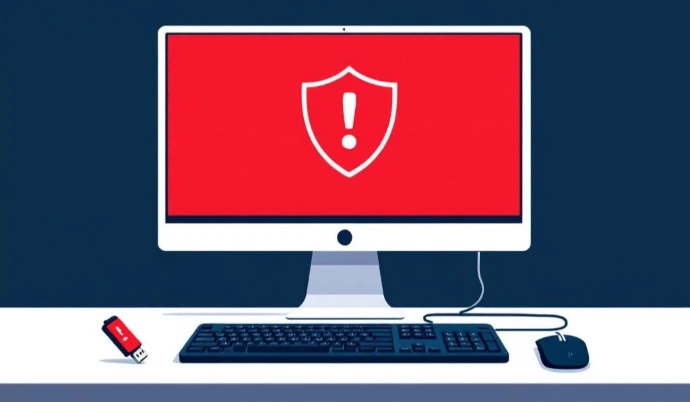
Các cuộc tấn công HID khai thác sự tin tưởng ngầm mà các hệ thống dành cho các thiết bị đầu vào tiêu chuẩn như bàn phím và chuột.
Bằng cách giả mạo một thiết bị HID hợp pháp, một thiết bị USB độc hại có thể tự động thực hiện một chuỗi các phím bấm hoặc lệnh ngay khi nó được kết nối, từ đó vượt qua các chính sách an ninh áp dụng cho các thiết bị lưu trữ thông thường.
Các cuộc tấn công này, được nổi tiếng nhờ các thiết bị nhưUSB Rubber Ducky, cho phép tiêm nhanh chóng các tải độc hại, mở các phiên làm việc từ xa hoặc xâm phạm một hệ thống mà không cần tương tác của người dùng, nhờ vào việc mô phỏng bàn phím được các hệ điều hành công nhận mặc định.
Hiệu quả của chúng dựa vào tốc độ thực hiện, khả năng vượt qua các biện pháp bảo vệ thông thường và độ khó, đối với người dùng cũng như các giải pháp an ninh, trong việc phân biệt một thiết bị HID bị thay đổi với một thiết bị chính hãng.
Đây là một vecteur xâm nhập đặc biệt nguy hiểm, có khả năng vượt qua phần mềm diệt virus, lọc USB hoặc các cơ chế kiểm soát khác, như các nghiên cứu mô tả cách thức hoạt động và tác động của chúng.

Làm thế nào để bảo mật một vị trí điều hành?
Làm thế nào để bảo mật một vị trí điều hành?
Các tiêu chuẩn là gì và làm thế nào để bảo mật một phòng điều khiển của một cơ sở hạ tầng quan trọng?
Việcphân vùngbao gồm việc phân đoạn một hệ thống thành các khu vực an ninh riêng biệt, mỗi khu vực tập hợp các tài sản có mức độ quan trọng và yêu cầu bảo vệ đồng nhất. Nguyên tắc cấu trúc này nhằm giới hạn sự lan truyền của một sự xâm phạm, bằng cách yêu cầu tất cả các giao tiếp giữa các khu vực phải đi qua các đường ống được kiểm soát, được lọc và giám sát.
Tiêu chuẩn IEC 62443 là gì?
Tiêu chuẩn IEC 62443 trực tiếp hình thành mô hình này: việc phân đoạn thànhcác khu vực và đường ốnglà một yếu tố trung tâm trong kiến trúc an toàn của các hệ thống công nghiệp, được mô tả rõ ràng trong các yêu cầu hệ thống của nó. Cách tiếp cận này nằm trong triết lý của phòng thủ nhiều lớp được khuyến khích bởi tiêu chuẩn, khuyến nghị bảo mật từng tập hợp con một cách độc lập thay vì dựa vào một rào cản duy nhất.
Tiêu chuẩn IEC 15408 là gì?
Phân vùng cũng tìm thấy sự đồng điệu trong các tiêu chuẩn IEC 15408 / Tiêu chí chung, được sử dụng đặc biệt để chứng nhận các thiết bị xử lý nhiều lĩnh vực an ninh: các hồ sơ bảo vệ NIAP (dựa trên IEC 15408) thực sự yêu cầu một cách ly nghiêm ngặt giữa các mạng hoặc cấp độ phân loại, nhằm ngăn chặn bất kỳ sự rò rỉ dữ liệu hoặc ô nhiễm chéo nào, đặc biệt là trong các bộ chuyển mạch và thiết bị chia sẻ thiết bị..
Chứng nhận NIAP PP4.0 là gì?
LeHồ sơ Bảo vệ NIAP 4.0 (PSD v4.0)định nghĩa các yêu cầu về an ninh cho các thiết bị chia sẻ thiết bị (bao gồm cả KVM an toàn), nhằm đảm bảo rằng không có dữ liệu nào có thể lưu thông giữa các máy tính qua những thiết bị này, bằng cách áp đặt một sự cách ly nghiêm ngặt, các luồng một chiều và các biện pháp bảo vệ chống lại sự phá hoại hoặc rò rỉ thông tin.
Chứng nhận EAL4+ là gì?
EAL4+ là một cấp độ đảm bảo của các Tiêu chí Chung, đảm bảo rằng một sản phẩm đã trải qua các thử nghiệm, phân tích và kiểm tra sâu rộng, cung cấp một trong những mức độ tin cậy cao nhất có thể đạt được cho các giải pháp thương mại.
Tiêu chuẩn Tempest là gì?
Tiêu chuẩn TEMPEST bao gồm các thử nghiệm nhằm ngăn chặn mọi rò rỉ thông tin qua các phát xạ điện từ của thiết bị, nhằm tránh việc gián điệp điện tử.
Tuân thủ TAA / BAA (Mỹ) là gì?
Sự tuân thủ TAA/BAA yêu cầu rằng các thiết bị bán cho các cơ quan liên bang của Mỹ phải được sản xuất tại các quốc gia được phê duyệt hoặc tại Hoa Kỳ, đảm bảo nguồn gốc được kiểm soát và đủ tiêu chuẩn của sản phẩm.